
A Feng Shui Love Letter to the Algarve — and the Towns That Give It Character
Living in the Algarve has shown me something that no book or training could ever fully explain: landscape is not abstract. You experience it physically. In how fast or slow you move, in how easily you settle, in whether daily life feels supported or exhausting.
In Feng Shui, the so-called Form School is the foundation for understanding a place. It looks at mountains, water, openness, and containment as the basic forces that shape how places feel and function. But when you actually live in a place, you also gain a very practical understanding. Walking through towns, biking along quiet roads, arriving, leaving, and returning over time, you begin to notice how certain places make everyday life feel easier, while others require more effort.
Nowhere is this connection between land and life clearer to me than here in the Algarve.
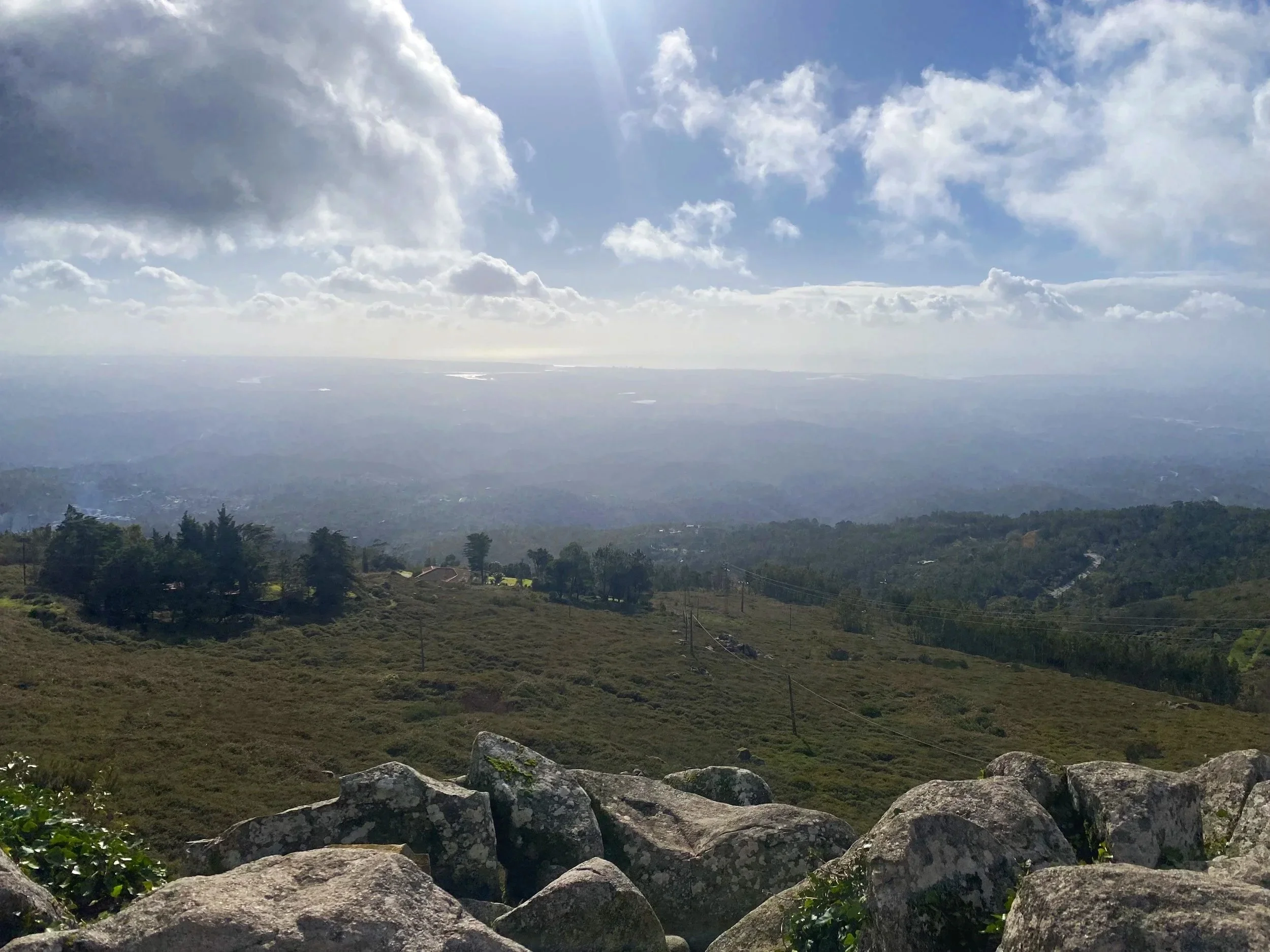
From a Form School Feng Shui perspective, the Algarve as a whole is very well positioned. The region is supported from behind by the Monchique Mountains (from where the picture above is taken), which continue eastward into the Serra do Caldeirão. Together, they form a continuous mountainous backing. In Feng Shui terms, this creates protection and stability — a feeling that the region is held rather than exposed.
At the same time, the Algarve opens widely toward the Atlantic Ocean. Beaches, cliffs, lagoons, and open horizons form the front of the region. This openness allows movement, exchange, and opportunity. In Feng Shui language, it is the place where life comes in.
Support behind, openness ahead — this is considered a very balanced configuration.
It may explain why so many people don’t just come to the Algarve for a holiday. They arrive at a certain point in their lives — often during transitions — and realise that things feel different here. Slower, clearer, more grounded. And sometimes, without big planning it, they stay.
Within this larger supportive setting, each town in the Algarve expresses this landscape energy in its own way. Some places feel light and open, others busy and active, others deeply rooted in history. These differences are not accidental. They are shaped by how land and water come together — and they influence how life is experienced in each place.
Tavira – Openness, flow, and a relaxed rhythm of life
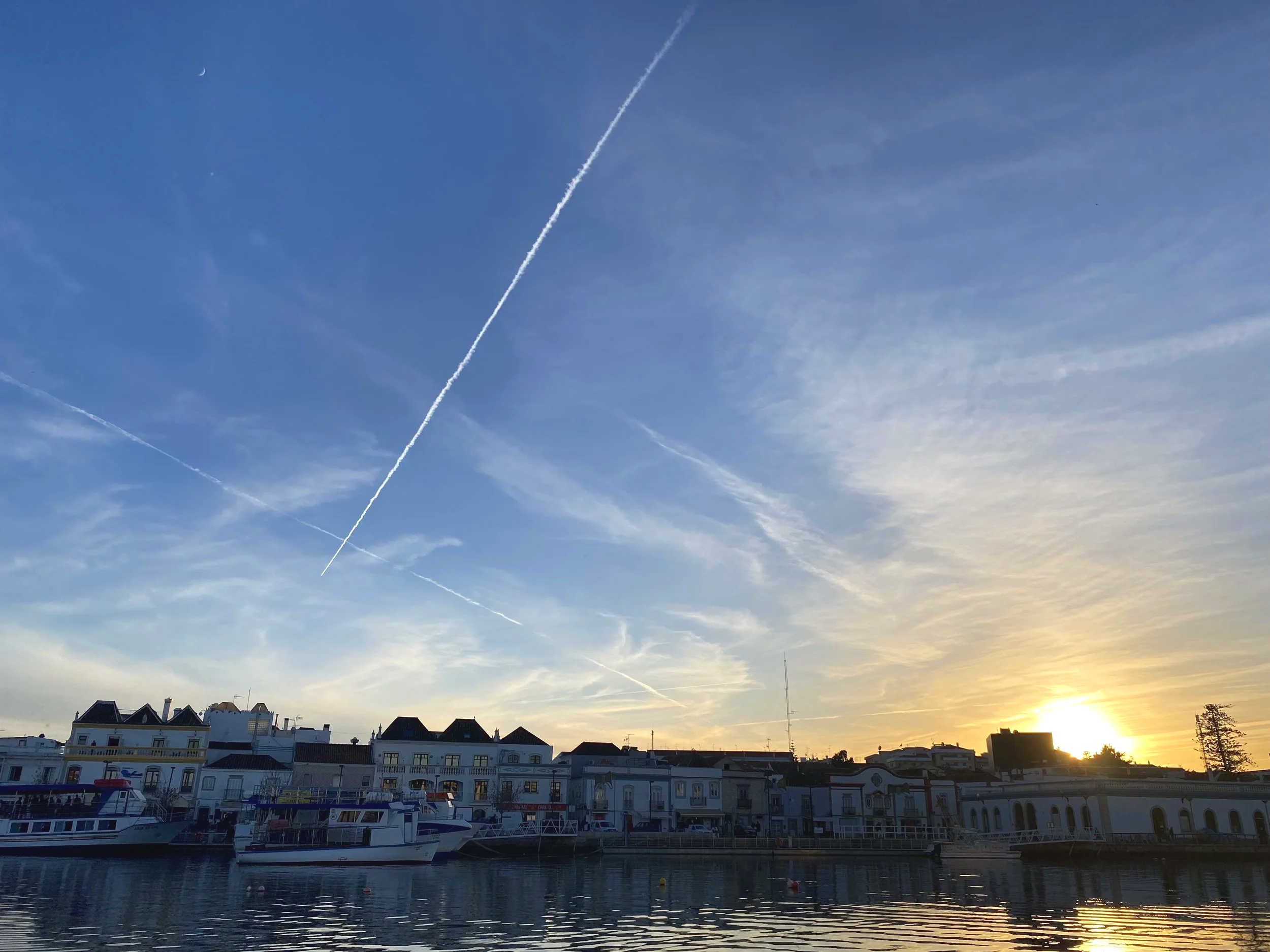
Tavira is the place that feels easiest to be in. I associate it with openness and a certain calm rhythm.
The landscape here feels open and gentle. The Gilão River moves calmly through town, and the Ria Formosa stretches out ahead like a soft horizon. From a Feng Shui perspective, this kind of flowing, unforced water supports circulation without pressure.
I love biking there — not for sport, but because it feels natural. There’s space to move without rushing, to stop without feeling in the way. The openness of the land, the flatness, the light — it all invites movement without stress. Life feels breathable here.
This matches its Feng Shui signature perfectly: prosperity that comes through quality of life, not intensity. Tavira doesn’t try to impress. It simply allows.
Quinta do Lago – Still water and contained wealth
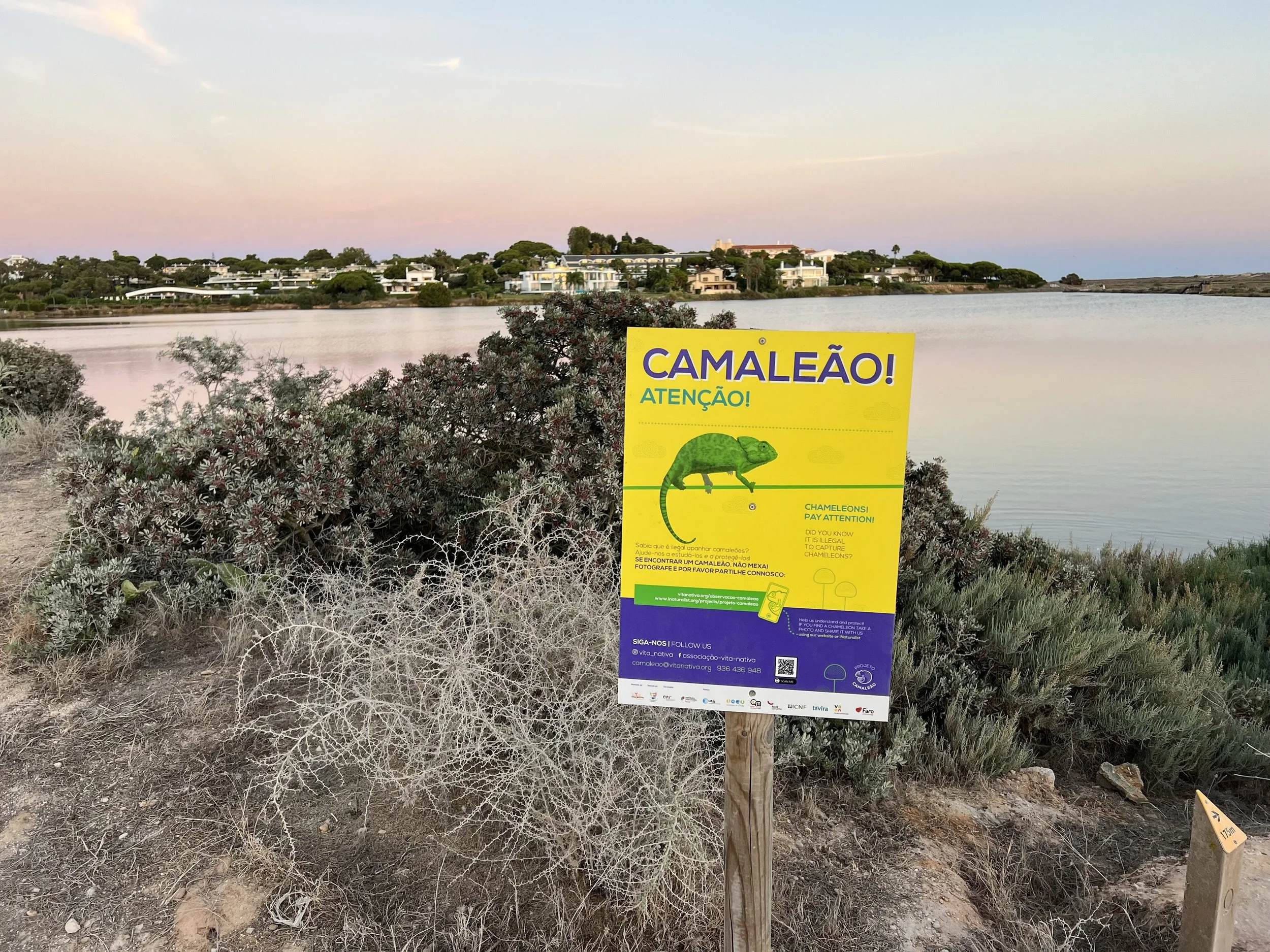
Quinta do Lago is fascinating from a Feng Shui point of view — and very different emotionally.
It’s a place I enjoy visiting from time to time, especially if I want to look at beautiful houses and well-designed spaces. There is no doubt that prosperity is present there. From a Form School perspective, the still lake plays a key role: contained water sustains wealth. This is classic Feng Shui, and it works.
At the same time, Quinta do Lago feels artificial to me. Energetically, it has little connection to traditional Portugal — no historical layers, no organic village structure. Prosperity here is curated and controlled, not grown over centuries.
Feng Shui-wise, this explains both its success and its emotional neutrality: it is impressive and wealth is held, but the roots are shallow.
Portimão – Momentum, events, and high-energy flow
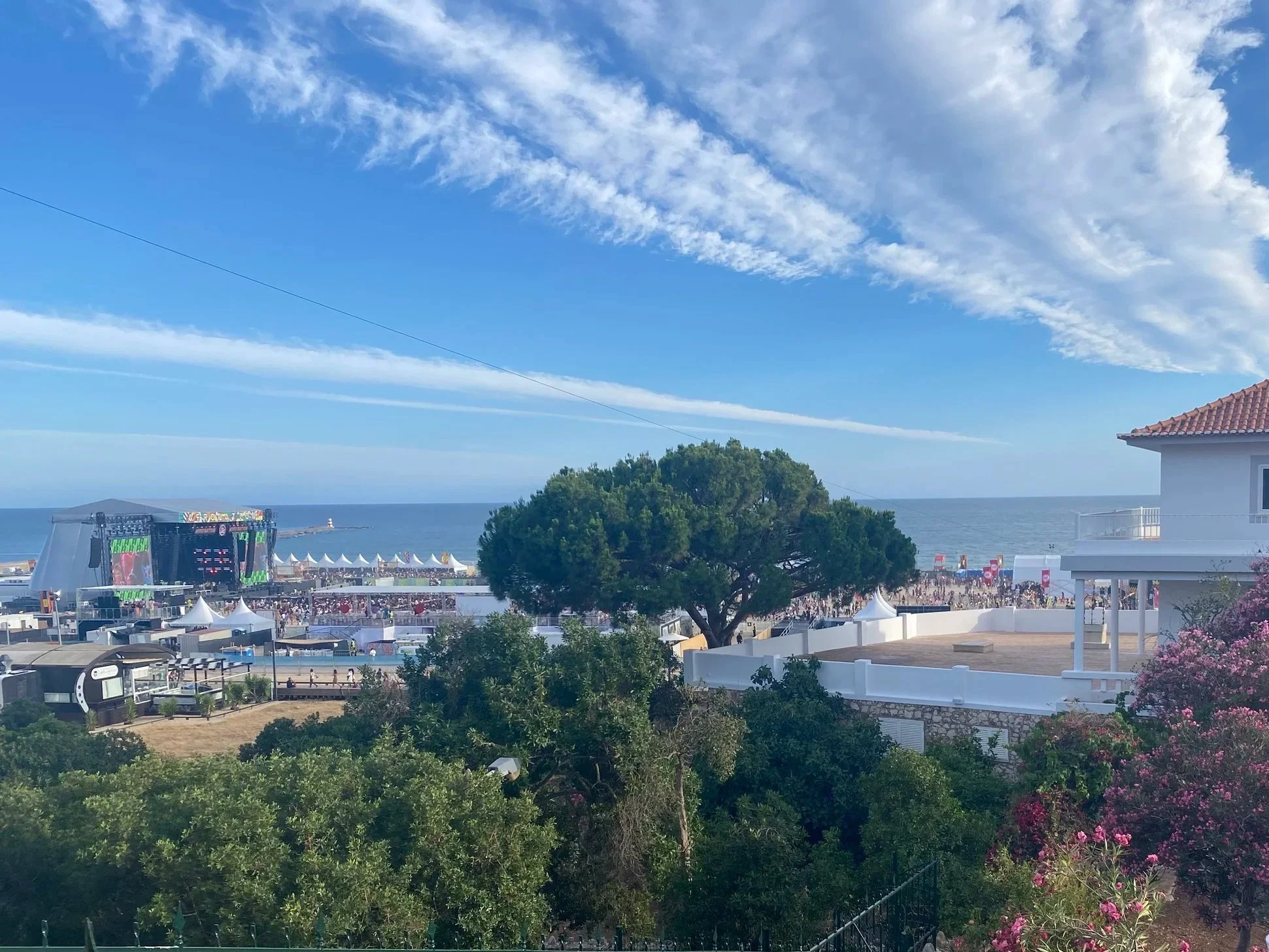
Portimão has a completely different energy again.
It’s a busy town, especially in summer, with events, crowds, and constant movement. You feel that it’s shaped by the river and the harbour, by activity and exchange.
Built along the Arade River flowing into the sea, Portimão sits in a high-flow position. From a Form School perspective, this creates strong Qi movement — excellent for events, business, tourism, and visibility.
And you feel that immediately. Life here is more demanding, but also more dynamic. There’s always something happening. The town thrives on momentum.
This kind of landscape supports opportunity, but it asks for energy in return. Portimão is not about stillness — it’s about participation.
Silves – History, backing, and emotional depth
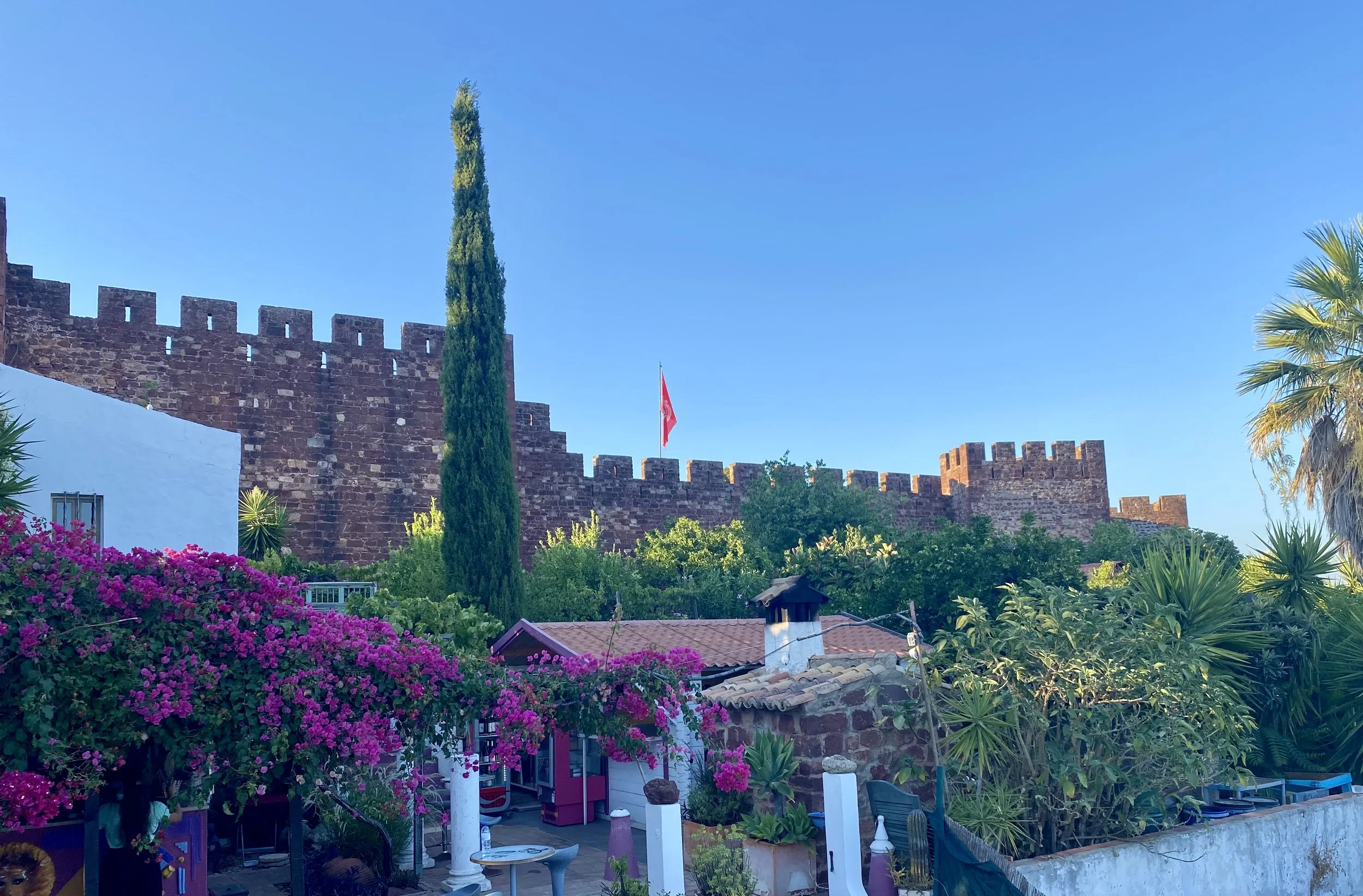
Then there is Silves.
Every time I approach Silves and see the silhouette of the castle rising above the hills, my heart genuinely jumps. This is the power of strong backing.
From a Feng Shui perspective, Silves has one of the most impressive landforms in the region. The hills support it, the castle crowns it, and history is layered deeply into the land. This is not fast prosperity — this is enduring presence.
The town feels grounded, held by the land, shaped by history. Silves doesn’t rush and it doesn’t try to expand. It stands. For me, it’s one of the most emotionally powerful places in the Algarve.
These towns are only a short distance apart, yet they support very different ways of living. Over time, I’ve come to see that this isn’t accidental.
Seen through the lens of Form School Feng Shui, the Algarve is more than a destination. It is a landscape that supports life changes.
When people ask where they should live in the Algarve, I don’t start with real estate or trends. I start with questions about rhythm, energy, and what kind of support they need at this stage of life. Because the land already offers answers — if you know how to read it.
As a local Feng Shui consultant, this is the foundation of my work: helping people understand why they feel drawn to certain places, and how the land itself supports — or challenges — the life they want to live.
